

At the Dixie, we have long understood that a school is far more than a delivery system for a curriculum; it is a social architecture that builds the whole person. While the digital world offers convenience, the harm visible in the post-pandemic generation serves as a vital reminder that as attractive as the flexibility of remote learning may seem, it is ultimately a pale imitation of a school. There are real educational, social and emotional risks to children when their parents decide they will be home educated.
Just as global firms are recalling staff to the office to help spark innovation, schools rely on incidental learning. In a digital classroom, the experience begins and ends with a click. In person, the most profound learning occurs in the “in-between” moments—the corridor chat following a challenging lesson, the debate over lunch, or the subtle guidance from a teacher who notices a pupil’s frown before a word is even spoken.
Research suggests that over 75% of human communication is non-verbal. When a pupil sits behind a screen, they are effectively “blind” to the micro-expressions and body language that define human interaction. Without these cues, the development of empathy and emotional intelligence is hindered. We are all familiar with the modern paradox: technology connects us, yet often leaves us more isolated.
I am often asked what inspires the extraordinary progress of pupils at the Dixie. The answer is simple: social modelling. Why do Dixie pupils strive to be brilliant academics with such an impressive suite of personal skills? Because they see their peers doing it. They witness the sweat, the practice, and the eventual triumph in real-time. They see the respect, resilience, courage, commitment and care of older pupils and emulate them. This “positive contagion” cannot be replicated on a Zoom call. A school is an arena where excellence is caught, not just taught.
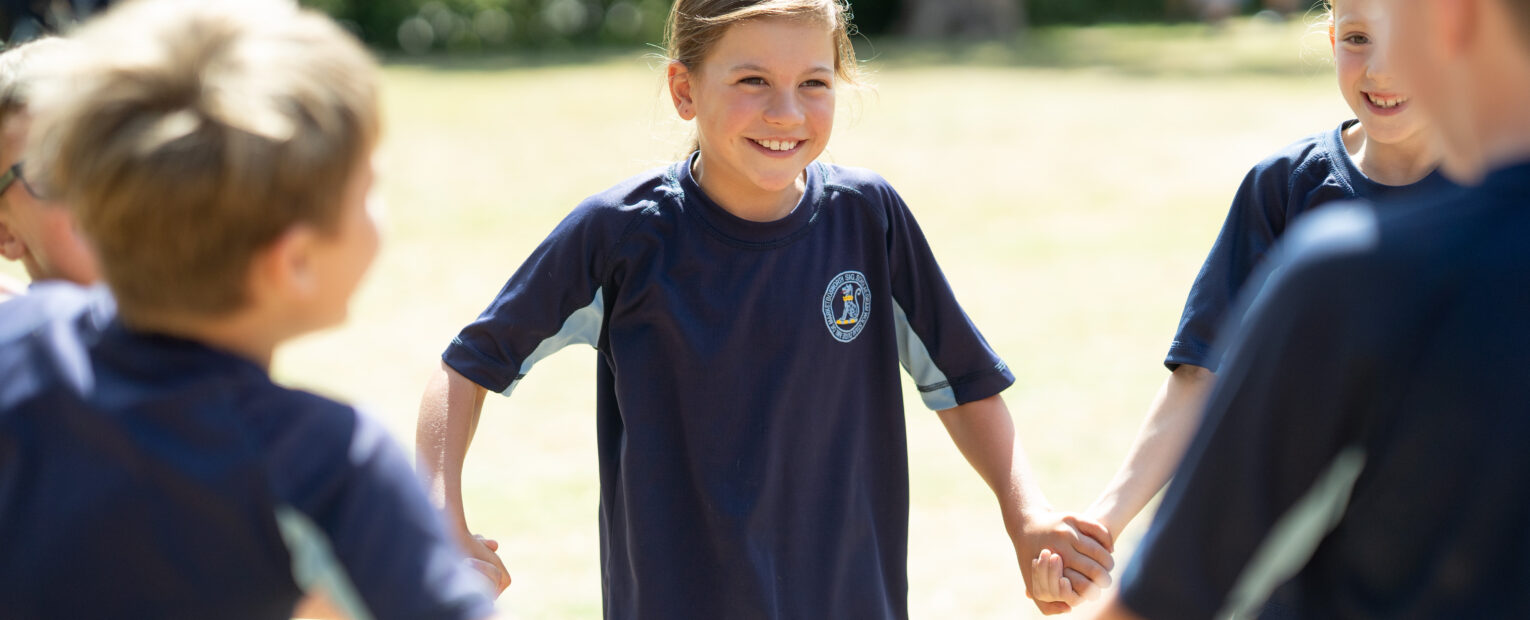
You cannot learn leadership, negotiation, or conflict resolution via a chat box. These “soft skills”—which can be the hardest to master—underpin our core values. On the sports field or in a music ensemble, pupils learn the delicate nuance of teamwork. Crucially, you cannot “mute” a difficult conversation in person; you must navigate it. This builds the respect, resilience, and courage required for the modern workplace.
Beyond the loss of physical academic skills in subjects like Design & Technology, the rise in remote learning has mirrored a striking rise in anxiety. As the recent mental health week reminded us all, a school provides a safe place where pupils learn to regulate themselves emotionally through routine and physical presence.
We are preparing Dixie pupils to be leaders, collaborators, who are well-rounded, exceptional but also grounded individuals. These are the hallmarks of a Dixie education—attributes that can only be developed in person, and in school.